Wednesday, April 29, 2020

Rhododendrons of the Himalaya


"The Himalaya is truly Rhododendron country. As you make your way along the Dzongri trail in Sikkim, extensive forests of Rhododendron can be seen all along the trail and across large tracts of the Dzongri meadows. This flower is the breathtaking glory of Sikkim and the land boasts of some 30 species from the gigantic Rhododendron grande –a tree that towers at 40 feet; to the diminutive nivale that rises barely 2 inches from the ground.

Some like the Dalhousiae are epiphytes growing on top of tall trees and barely visible from below; others are painted prima donnas: like the conspicuous falconeri with its large fleshy leaves covered with rust-colored filaments on their underside. The Rhodondendron literally live off its looks: the highly colored flowers are crucial since they are the only source of attraction for bees and butterflies since no species has any fragrance.

These trails were also the favorite stamping ground of the man who pioneered the first attempt to systematically explore the land and document information about the flora and fauna of the Eastern Himalaya: Joseph Dalton Hooker. The British botanist was the son of the first Director of London’s renowned Kew Gardens, and a close friend of Darwin’s. After obtaining his MD from Glasgow University in 1839, young Hooker traveled extensively for most of his life going off on botanical expeditions to all corners of the world (including the Antarctic region) and publishing prolifically on his findings and theories.

Sunday, April 5, 2020

In the shadow of Shipton and Tilman - Part II


Nanda Devi from Saini Kharak sunrise
This is  the second and concluding part of this essay. Readers are advised to read the first part at http://sujoyrdas.blogspot.com/2020/03/in-shadow-of-shipton-and-tilman-part-i.html before reading this final part.

-------------------------------------------------------------------------------------------------------------------------
We started climbing again heading for the camp site of Jhandidhar (4200 metres) and reached it by 2 pm. It was a small clearing at the edge of a cliff commanding a view of Dunagiri to the north east and looking down into the Dhauli Ganga valley far below us. The tents were quickly set up and Prem and Monu left to get water from Lata Kharak, 3 km away. While we waited we received our first visitor. A forest guard returning on his beat from Dibrugheta stopped for a drink of water. We asked him about the bharal (blue sheep) which was to be seen in the sanctuary. "“The lack of water on these craggy cliffs has pushed the bharal down near the river”, he said “you will not be able to see them at this time”. However, close to camp we spotted a marmot and an alpine marten gazing at us from behind the rocks with great curiosity.

Saturday, March 28, 2020

In the shadow of Shipton and Tilman - Part I

The Nanda Devi Sanctuary
This is the first part of a photo essay I wrote many years ago for a book on the Indian Himalaya. The book was never published and I forgot about this essay. Going through my computer files at home due to the coronavirus lock down I found it along with some other essays as well. So here it is finally published in my blog. I hope you do enjoy it!
------------------------------------------------------------------------------------------------------------------------
It was an oppressive and muggy pre-monsoon afternoon in early June 2003. I was sitting in Calcutta staring blankly at the computer screen mulling over the arrival or rather the non-arrival of the monsoon. The newspapers had said that it was delayed and as usual the build up of moisture over the Bay of Bengal had lead to an unbearable combination of high humidity and scorching temperatures over the plains of India.

Suddenly a message flashed in my Inbox with the heading “Nanda Devi”. It was from a friend informing me that the Nanda Devi outer sanctuary rim, which had been closed to visitors from 1982, had been formally opened for restricted trekking regulated by permits from the Forest Department.

The e-mail jolted me out of my reverie: Nanda Devi! The very name itself conjured up visions of a mountain goddess who had safeguard her fortress so securely for so many years that it took three generation of climbers and eight attempts to penetrate her sanctuary and that too after one of the most arduous treks in the world.

Wednesday, March 18, 2020

South Col Expeditions | Treks suspended until 30th April 2020


In view of the Covid-19 crisis and considering the safety and health of our clients, we have decided to postpone all our treks in March and April 2020. Treks scheduled in May 2020 will run as usual unless the situation changes for the worst. We will take a call on this sometime in mid April 2020.

We thank all our clients for their loyalty and support over the years and hope to be back with all of you in the mountains very soon. All deposits and payments made will be rolled over to future treks.

Do stay at home and  be safe in these difficult times.


Om mane peme hung 


For more information on our treks and workshops do visit www.southcol.com

Sunday, March 8, 2020

South Col | International Womens Day


On International Womens Day, I salute all our trekkers and climbers who have made South Col treks so memorable! May you continue to reach greater heights!


Saturday, February 22, 2020

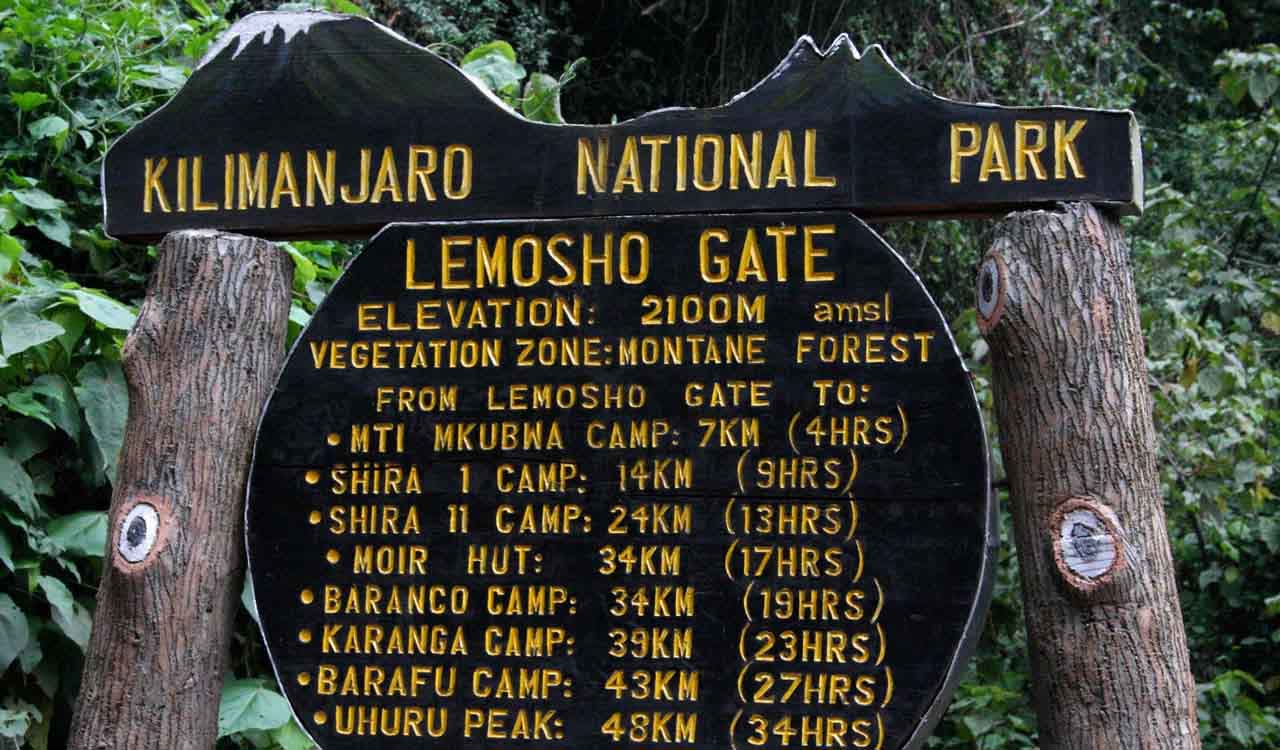
Kilimanjaro | The Lemosho Route with South Col

Image result for lemosho gate

A South Col team will be attempting to climb Kilimanjaro, the highest peak in Africa and one of the seven summits in the fall of 2021.

There are seven routes to the summit and the climb be done in as little as five days (with major altitude issues) upto 9 days.  We are planning to do a conservative eight day climb, most probably by the Lemosho route.

This is a longer, more remote route on Kilimanjaro and allows  for optimum acclimatisation time for the summit itself.As the highest mountain in Africa, Mount Kilimanjaro makes up one of the Seven Summits (i.e. highest mountains on each of the seven continents). The additional time on the mountain means that success rates for  the Lemosho route trekkers are relatively high.

Approx. 35,000 people attempt to climb Kilimanjaro every year. The chances of reaching the summit of Kilimanjaro is highly dependent on the number of days taken to trek the mountain.The more days, the higher the probability of success as your body has more time to adapt and acclimatize.Here are the success rate figures as published by the Kilimanjaro National Park. These numbers are admittedly quite old and success rates are most likely higher as route configurations have improved and the number of people taking 5 day treks has almost ended.

  • All climbers, all routes 45% (we estimate this figure is closer to 65% today)
  • All climbers, all 5 day routes 27%
  • All climbers, all 6 day routes 44%
  • All climbers, all 7 days routes 64%
  • All climbers, all 8 day routes 85%

The details of the Lemosho Route are given below:

Friday, February 7, 2020

Bhutan to charge Indians Rs 1200 per day Sustainable Fee


Bhutan will now impose a “sustainable development fee” (SDF) on Indian, Bangladeshi and Maldivian tourists, making visits to the Himalayan nation more expensive. The decision has been taken to protect the ecology and environment  of the country, amid a spike in visitors from India.

So far, tourists from the three countries had been exempt from a levy that other foreign  nationals had to pay — $250 per person per day during the peak season, and $200 per person per day during the low season.

The low season is in the winter from December to February, and during the rains from June to August.

The new legislation, titled “The Tourism Levy and Exemption Bill of Bhutan 2020”, passed in Bhutan’s lower house on 4th February 2020, requires visitors from India, Bangladesh and the Maldives to pay a fee of 1,200 ngultrums (Rs 1200.17) per day, probably from July 2020 onwards.

Thursday, January 30, 2020

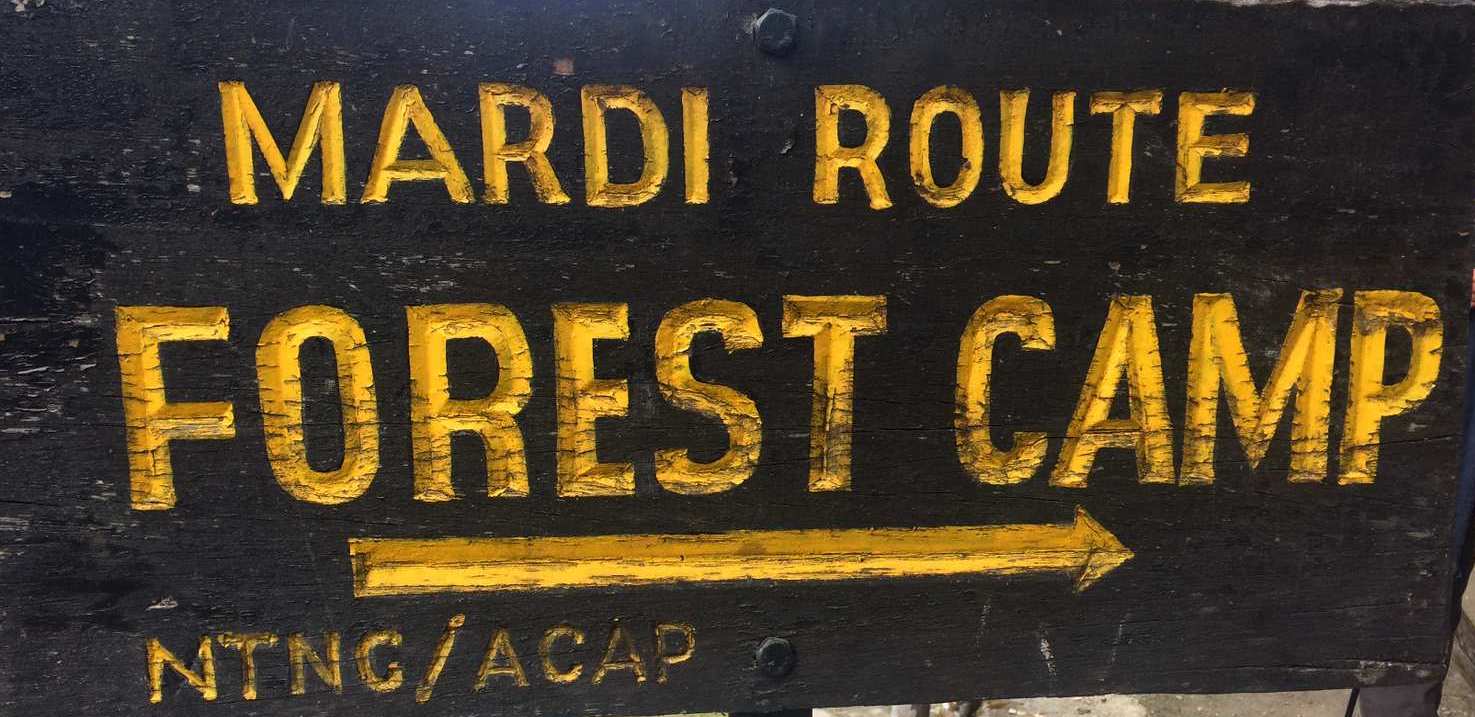
Mardi Himal Trek | Nepal | March 23-30 2020

feature Image

HIGHLIGHTS
The Mardi Himal is a relatively new route in the foothills of Annapurna and has developed into a full scale trekking route in the last few years. It now has a series of lodges at different camps and for a short five day trek rivals the traditional Ghandrung-Poon Hill loop. It has great views reaching almost to the bottom of the Fishtail Mountain Macchapucchare along with Annapurna South, Huinchuli and Gangapurna.

Suitability: A good choice for most  walkers, reasonable level of fitness required.

Walking times: average 5 to 7 hours walking per day

Altitude: up to 3550m at High Camp.

Terrain: for most of time following well-travelled trails, there will be daily ascent and descent on steps which are part of any Nepal trek.

 Remoteness: usually not too remote and often there is a reasonable level of infrastructure such as lodge accommodation and cell/ mobile phone reception and wifi reception every day at the lodges.

LinkWithin

Related Posts Plugin for WordPress, Blogger...